
One of the most intriguing aspects of parenting a child with autism is observing how they interact with the world — especially through play. While many children naturally jump into pretend play or build towers with blocks, children on the autism spectrum often interact with toys in unique, sometimes puzzling ways.
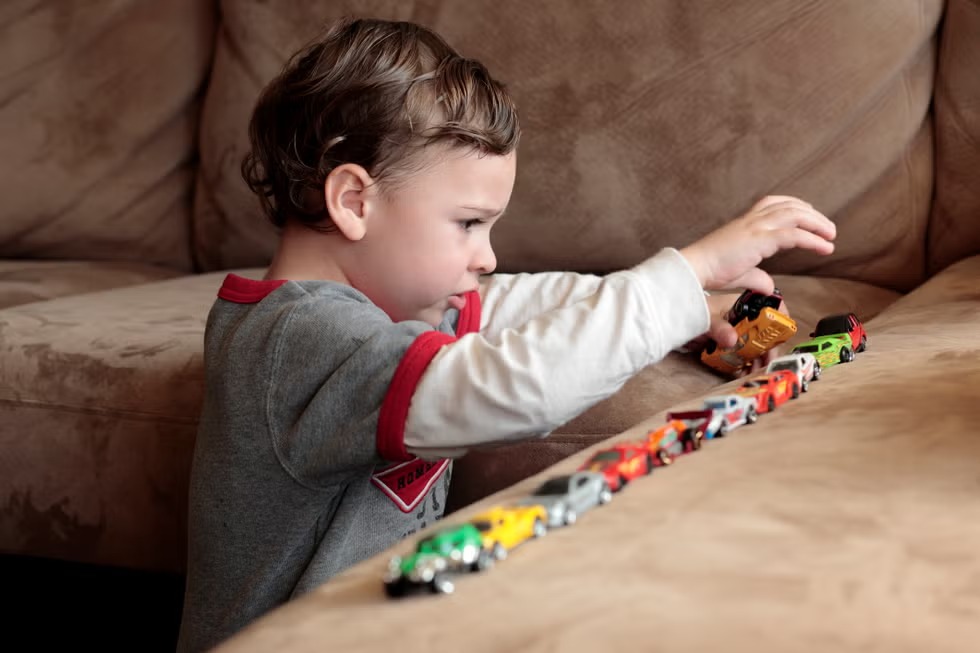
One such behavior is toy scanning — a repetitive and focused observation of toys, often without engaging in conventional play. If you’re a parent who has noticed your child intensely staring at spinning wheels, lining up blocks without building, or closely watching toys from the side, you’re not alone. These actions can be a part of toy scanning, and understanding them is the first step in supporting your child’s development.
What Is Toy Scanning?
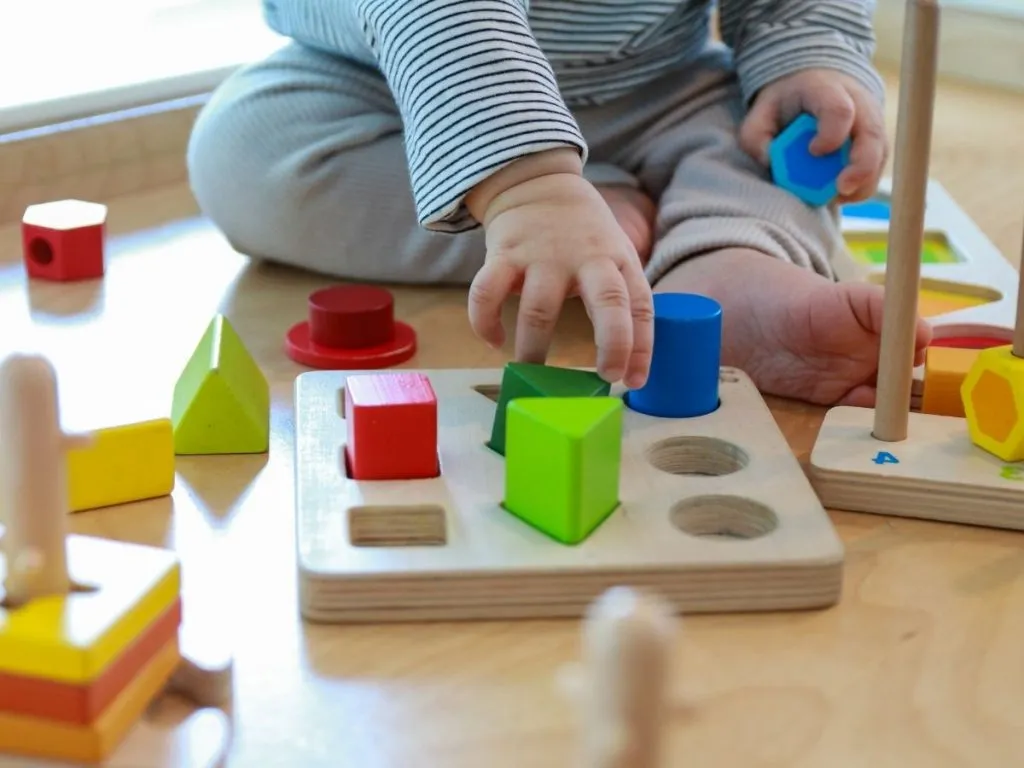
Toy scanning typically refers to a behavior where a child focuses intently on specific parts of a toy — often visual elements — such as spinning, lining, flickering, or moving objects. Instead of using the toy in a functional or imaginative way, the child may:

- Watch the wheels of a car spin repeatedly.
- Line up toys or objects in a row.
- Observe a toy from different angles, especially from the side.
- Focus on reflections, shadows, or specific lights on a toy.
While this might seem unusual or concerning to some, it’s important to recognize that this behavior is a way for children with autism to explore, self-regulate, and make sense of sensory input.
Why Does It Happen?
Toy scanning is often connected to differences in sensory processing — a core characteristic of autism. For some children, watching spinning wheels or organizing toys in a pattern provides a sense of calm or satisfaction. It may help them cope with overwhelming environments or offer predictability in a world that often feels chaotic.
Additionally, some children engage in toy scanning because they find the visual patterns, symmetry, or motion genuinely interesting or soothing — much like how adults might find comfort in watching a spinning fan or waves in the ocean.
When to Be Concerned
Duration: Is your child engaging in this behavior for long periods, excluding other forms of play?
Flexibility: Can they shift focus when invited to play differently or interact with others?
Engagement: Are they making eye contact, responding to their name, or interacting socially while playing?
If toy scanning appears to limit your child’s ability to explore other skills — like pretend play, social interaction, or physical development — it may be time to consult a pediatric therapist.
How Pediatric Physiotherapy Can Help
Pediatric physiotherapists are trained not only in motor development but also in understanding how children with autism interact with their environments. Through movement-based play and structured activities, therapists can:
- Introduce toys that encourage engagement beyond visual exploration.
- Incorporate sensory integration techniques to address underlying sensory needs.
- Support gross and fine motor development alongside play skills.
- Guide parents in using everyday objects for meaningful interaction.
The goal isn’t to stop toy scanning but to gently expand the child’s playing range and foster broader developmental gains — socially, emotionally, and physically.
Supporting Your Child at Home
- Respect their interest: If your child is captivated by spinning or organizing, that’s okay. Use it as a bridge to introduce new ways of playing.
- Model new interactions: Instead of taking away the toy, demonstrate alternative ways to use it — like rolling a car back and forth or using a block as part of a story.
- Balance sensory needs: Offer toys and activities that involve different senses — textures, sounds, and movement — to create a well-rounded sensory experience.
- Create space for movement: Include climbing, crawling, or other gross motor activities to help regulate sensory input and support overall development.
Final Thoughts
Every child sees the world differently, and for children with autism, play can often be their own language. Toy scanning is not just a “quirky” behavior — it can be a window into how your child experiences their environment. With understanding, patience, and the right support, you can help your child expand their world while honoring the way they see it.
If you’re unsure whether your child’s play habits are typical or need attention, don’t hesitate to reach out to us. Early guidance can make a world of difference — not just in skills, but in the joy of connection through play.