
“Every evening, my son comes home from school cranky and restless. I don’t know how to calm him down,” a mother shared.
The therapist gently replied, “Have you tried giving him some play with textures—like clay or sand? Sometimes, the hands know how to release what the heart is holding.”
This small exchange highlights a powerful truth: children often express emotions through their bodies before they can put them into words. And that’s exactly where sensory play becomes a tool of healing.
Why Sensory Play Matters for Emotions
Children’s worlds are full of overwhelming sounds, sights, and expectations. Unlike adults, they don’t yet have the emotional vocabulary to say, “I’m anxious” or “I’m overstimulated.” Instead, their feelings show up as tantrums, restlessness, or withdrawal.
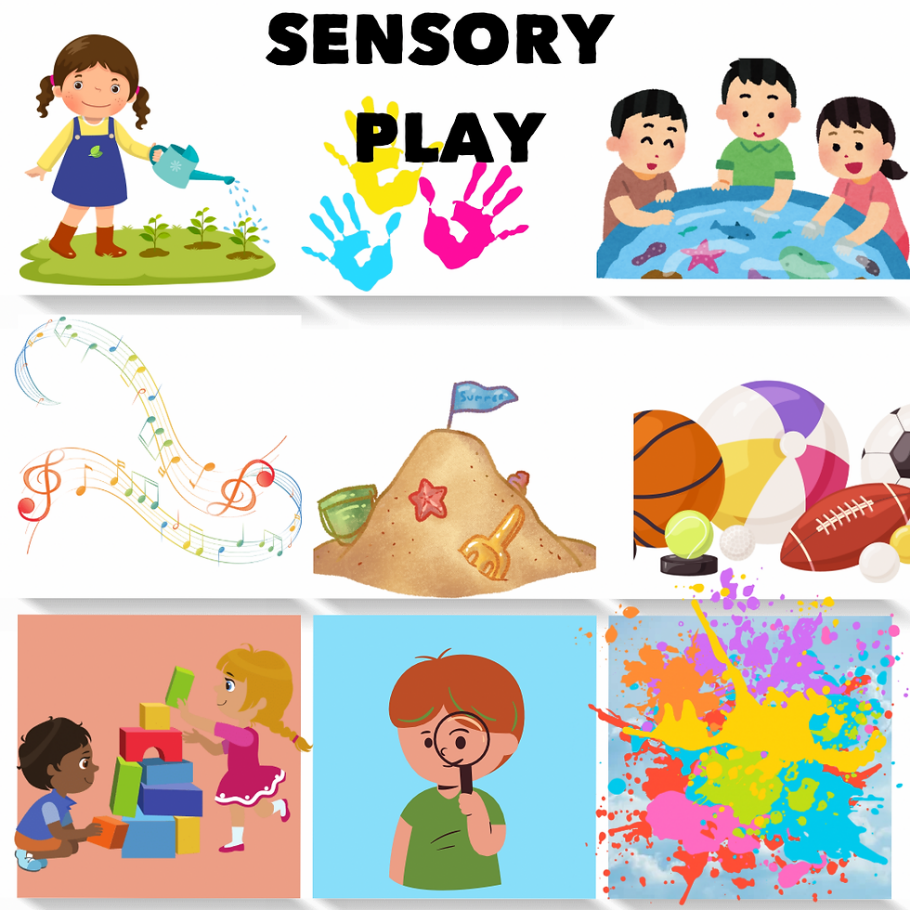
Sensory play—activities that engage touch, smell, sight, hearing, or movement—gives children a safe outlet to process these feelings. The squish of playdough, the crunch of dry leaves, or the gentle swing in the park can help soothe their nervous system and build inner calm.
Everyday Ways Sensory Play Can Help
Here are some simple ways parents can use sensory play to support emotional regulation:
- Clay and Playdough Time: Kneading, rolling, or shaping clay releases tension in small muscles and provides a calming rhythm.
- Water Play: Splashing, pouring, or feeling warm vs. cool water teaches children to self-soothe and focus on sensations.
- Nature Walks: Collecting pebbles, crunching leaves, or smelling flowers engages multiple senses and grounds emotions.
- Sensory Bins: Fill a box with rice, beans, or sand; let children dig, scoop, and hide small toys. It gives them control and focus.
- Swinging or Rocking: Rhythmic movements stimulate the vestibular system, which can reduce anxiety and improve balance.
- Music and Sound Play: Drumming, clapping, or listening to calming sounds helps children express energy in a structured way.
How Sensory Play Builds Emotional Skills
When children engage in sensory play, they learn to:
- Recognize their feelings (calm vs. restless, happy vs. frustrated).
- Find safe outlets to express strong emotions.
- Develop patience and focus while engaging with textures and activities.
- Strengthen resilience by learning that feelings come and go—and they can manage them.
The Parent’s Role
Parents don’t need special equipment to start sensory play. The kitchen, the backyard, or even bath time can become therapeutic spaces. What matters most is presence and observation. Notice what soothes your child, encourage exploration, and celebrate their calm moments.
A Gentle Reminder
Emotional regulation is not about stopping emotions—it’s about helping children navigate them. Sensory play gives them tools to calm their bodies and hearts, making them more resilient in the face of life’s daily stresses.
So next time your child seems overwhelmed, try this: hand them some clay, take them outside to feel the wind, or let them splash in water. You may just find that in play, they discover their calm.
As sometimes, the road to emotional balance starts with a handful of sand or the rhythm of a swing.