
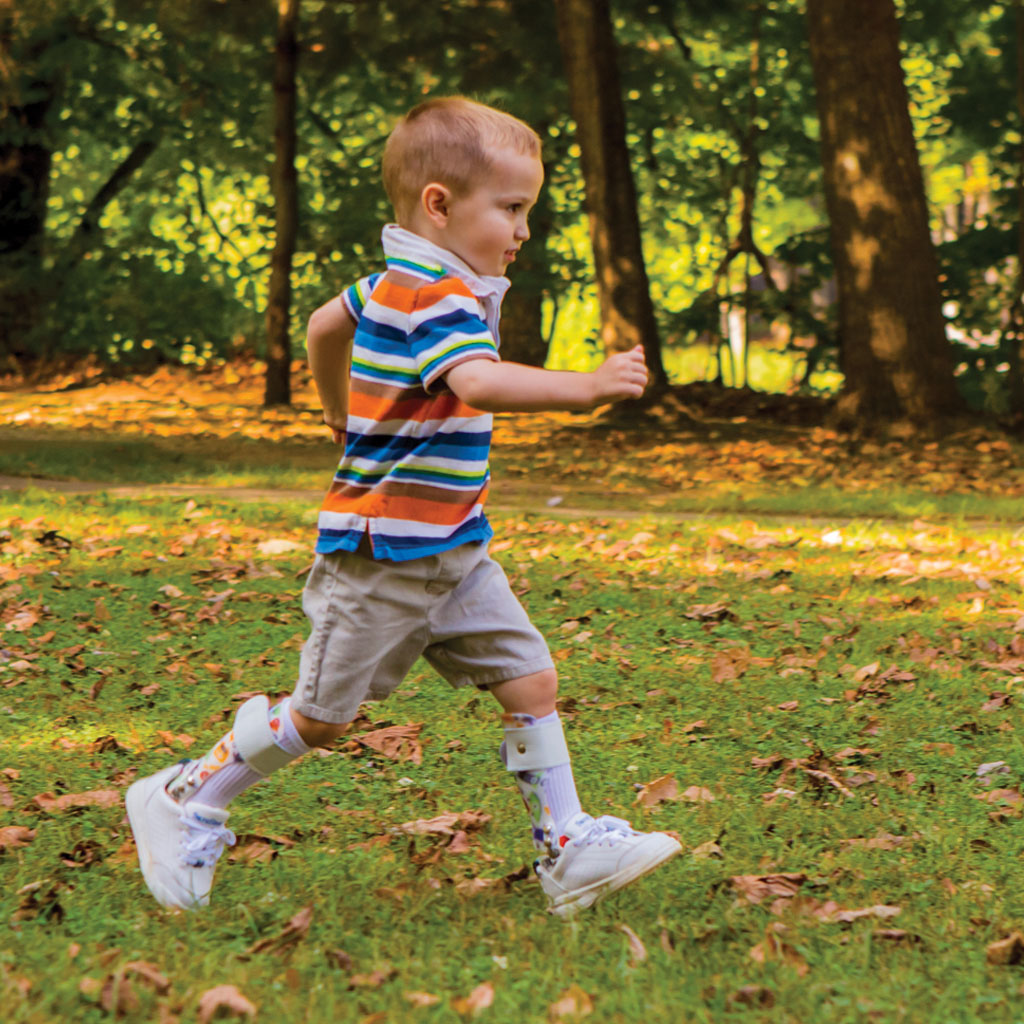
Understanding the Role of Braces in your Child’s Development
For a parent, few things compare to the joy of watching their child take their first steps. But when walking seems delayed and a doctor recommends braces, it’s natural to worry. One of the most common fears parents express is: “Will braces delay my child’s walking even further?”
The simple answer is—no. That’s a myth. The truth is, properly prescribed braces (orthoses) can be life-changing tools that support, not hinder, a child’s ability to walk.
Why Are Braces Prescribed?
Children with neuromuscular conditions, such as Cerebral Palsy or developmental delays, often have challenges with muscle tone, joint alignment, or balance. Braces help:
- Provide stability to weak or developing muscles
- Guide proper joint positioning
- Improve balance and alignment
- Prevent long-term deformities or contractures
They are not meant to “hold the child back”—they are designed to give them the support their body currently needs.
Busting the Myth
The belief that braces delay walking comes from the misconception that external support makes children dependent or passive. In reality, when used correctly, braces facilitate more efficient movement, allowing the child to experience success in walking patterns that would otherwise be difficult or unsafe.
Children with certain conditions may not walk without braces—or may walk with great difficulty. Braces don’t delay development; they enable it.
A Gentle Push Forward
It’s important to remember: each child develops at their own pace. Walking with braces is still walking—bravely, beautifully, and with determination. Many children who use braces reach important gross motor milestones and continue to progress with therapy and support.
The goal isn’t to “fix” the child, but to meet their needs where they are and provide tools that help them move forward—literally and figuratively.
The Parent’s Role
As a parent, your trust, encouragement, and understanding make all the difference. If you’ve been told your child may benefit from braces, know this: you’re not slowing them down—you’re giving them the confidence to stand, step, and soar.