
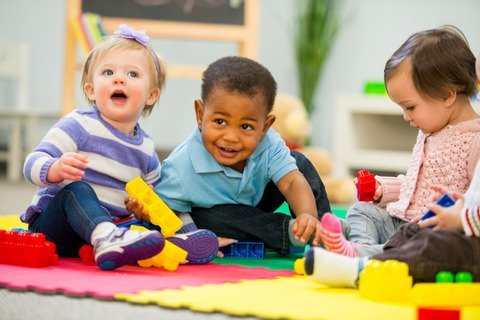
As parents, it’s fascinating to watch how children grow from tiny infants with jerky limb movements into energetic toddlers who run, climb, and play, and eventually into school-aged kids who write, draw, and dress themselves. Behind these abilities lie two essential types of motor skills: gross motor and fine motor skills.
What Are Gross and Fine Motor Skills?
Gross motor skills involve the large muscles of the body. They include actions like crawling, walking, jumping, climbing, and running — all movements that help children navigate the world around them.
Fine motor skills involve the small muscles of the hands and fingers, responsible for precise tasks like buttoning shirts, shoe lacing, writing, combing hair, and picking up small objects.
While these two types of motor skills may seem different, they are interconnected. A child needs a stable trunk and strong postural muscles (gross motor) to effectively use their hands and fingers (fine motor).

Supporting Motor Development by Age
Infancy (0–12 months)
- Gross Motor Focus: Tummy time helps strengthen neck and back muscles. Encourage rolling, reaching, and crawling by placing toys just out of reach.
- Fine Motor Focus: Offer soft rattles and toys that your baby can grasp. Look for signs of hand-eye coordination, like reaching for and holding objects.
Tip: Keep playtime on the floor as much as possible to promote full-body movement.
Toddlers (1–3 years)
- Gross Motor Focus: This is the stage of big movement — walking, climbing stairs with support, running, and eventually jumping. Parks and soft play areas are perfect for safe climbing and balancing.
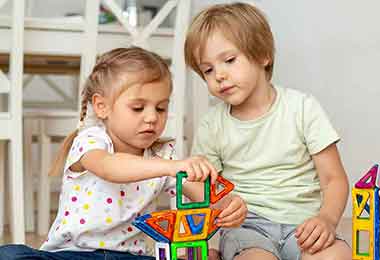
- Fine Motor Focus: Toddlers start to feed themselves, stack blocks, and try to turn pages in books. Activities like scribbling with crayons, playing with dough, or opening containers build coordination.
Tip: Encourage independence in daily tasks, even if it takes longer — it boosts both skills and confidence.
Preschoolers (3–5 years)
- Gross Motor Focus: Kids love physical challenges — climbing ladders, hopping, and riding tricycles. Movement games like hopscotch or dance can build strength and coordination.
- Fine Motor Focus: Skills like buttoning, holding scissors, and shoe lacing begin to emerge. You’ll also notice more control in coloring, drawing shapes, and beginning to write letters.
Tip: Choose toys and games that involve both types of skills — for example, an obstacle course that ends with a puzzle.
School-Age Children (6+ years)
- Gross Motor Focus: Sports, cycling, swimming, and organized games continue to refine balance, strength, and coordination.
- Fine Motor Focus: Writing, tying shoelaces, and self-care tasks like combing hair become more fluent. Precision improves with practice, but some children may still need guidance.
Tip: Ensure school bags are not too heavy and posture is monitored to avoid strain during writing or reading.
When to Seek Support
While every child develops at their own pace, some signs may suggest a delay in motor development. If your child struggles with crawling, avoids physical play, has poor balance, or is significantly behind in tasks like buttoning, shoe lacing, or holding a pencil, it might be helpful to consult a pediatric physiotherapist.
Children with motor delays often benefit from guided activities that are both therapeutic and playful. Therapy sessions can be tailored to a child’s interests — integrating games, obstacle courses, and fun challenges to improve strength, coordination, and fine motor control.
Final Thoughts
Motor skill development is a journey — not a race. Every climb, every scribble, every attempt to brush their own hair is a step forward. As caregivers and professionals, our role is to create environments where children feel encouraged, challenged, and celebrated for every effort. Whether it’s a wobbly step or a crooked button, each small moment adds up to a lifetime of independence and confidence. Let’s support our children as they grow — one movement at a time.