
Watching your child take their first steps is a magical moment—filled with pride, joy, and a sense of wonder. As your little one explores movement, you may notice different walking styles. One such pattern is toe walking—when a child walks on the balls of their feet without the heels touching the ground. For many parents, this can bring both curiosity and concern.
When Is Toe Walking Normal?
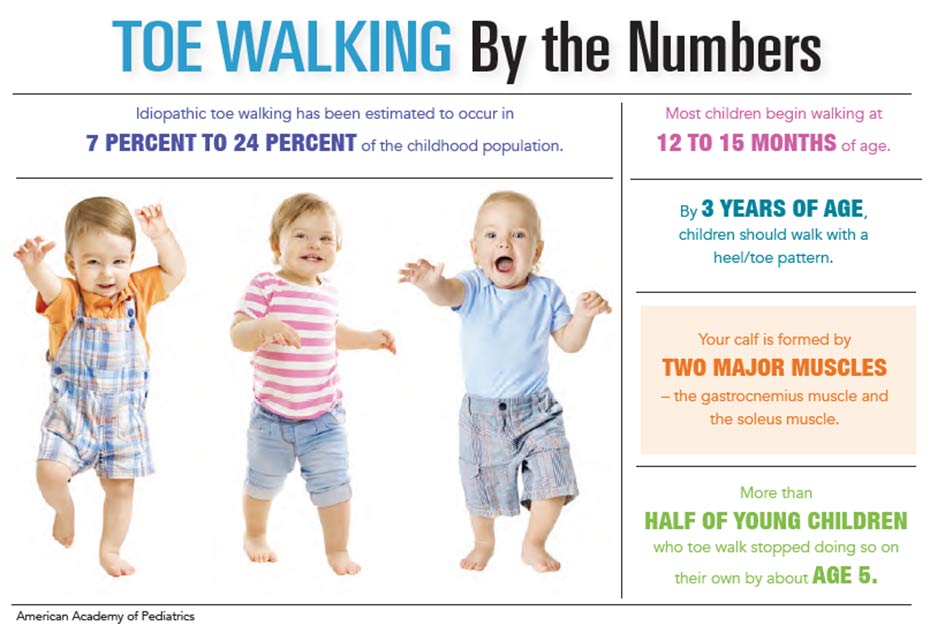
Toe walking is common among toddlers who are just beginning to walk. As they build balance, coordination, and gross motor skills, many young children experiment with walking on their toes. In most cases, this behavior fades naturally by age 2 or 3, as the child’s core muscles strengthen and their gait matures.
When Should You Be Concerned?
If toe walking continues beyond the age of 3, or your child consistently avoids placing their heels on the ground, it may signal an underlying issue. Persistent toe walking can sometimes be associated with:
- Tight calf muscles or a short Achilles tendon
- Neurological conditions such as cerebral palsy, muscular dystrophy, or spinal cord abnormalities
- Developmental delays or autism spectrum disorder (ASD)
Additional red flags include:
- Toe walking on only one foot
- Difficulty standing with feet flat on the ground
- Frequent tripping, falling, or trouble wearing shoes
- Delays in other developmental milestones
Why Address Persistent Toe Walking Early?
Left untreated, toe walking can lead to muscle tightness, impaired posture, difficulty with coordination, and challenges in daily activities like running or wearing shoes. Early recognition allows for timely, effective intervention, often preventing long-term complications.
How Can Paediatric Physiotherapy Help?
A paediatric physiotherapist can play a vital role in supporting your child’s development. Using fun, goal-oriented exercises, therapy can help:
- Maintain the muscle length and strengthen calf and ankle muscles
- Improve balance and coordination
- Encourage proper heel-to-toe walking through engaging activities
- Offer advice on footwear, orthotic support, and home-based routines.
- One of the therapies that can give to children who exhibit continued limitation in Achilles tendon length, serial casting may be recommended. This technique involves gradually increasing muscle length and maintaining ankle range of motion by applying a series of casts over several weeks. Serial casting supports the development of a more neutral or flat-foot walking pattern, especially when combined with regular physiotherapy. It is one of the therapies known to show promising results in such cases.
You’re Not Alone
If you’re concerned about your child’s walking pattern, trust your instincts. Reach out to a paediatrician or paediatric physiotherapy clinic for a detailed assessment. Many children overcome toe walking with early support, encouragement, and the right therapeutic approach.
With timely intervention, your child can walk confidently—heel to toe—exploring the world one step at a time.